

- Pasir Halus Bag 18Kg / Fine Sand Malaysia – Fine Sand for Plastering, Mortar & Renovation
- 🏗️ What Is Pasir Halus (Fine Sand)?
- 📋 Pasir Halus (Fine Sand) Product Specifications
- ✅ Key Features & Benefits of Fine Sand
- 🧱 Common Applications of Pasir Halus (Fine Sand)
- ⚖️ Pasir Halus vs Pasir Kasar vs Quarry Dust – What's the Difference?
- 📐 How Much Fine Sand Do You Need?
- 🛒 What Should You Check Before Buying Pasir Halus?
- ❓ Frequently Asked Questions – Pasir Halus (Fine Sand) Malaysia
- 📲 Looking for Pasir Halus (Fine Sand) Supplier in Kuala Lumpur?
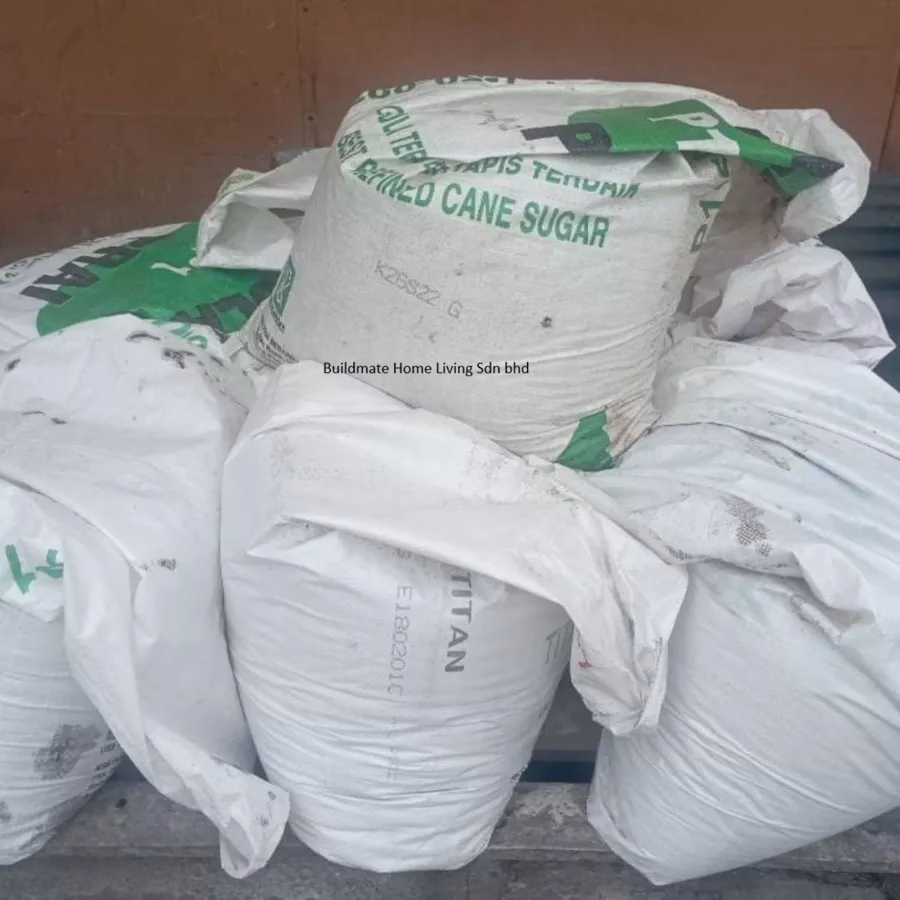
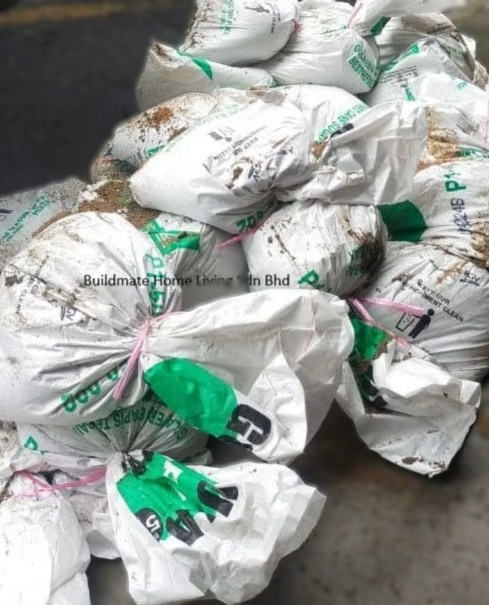
Pasir Halus Bag 18Kg / Fine Sand Malaysia – Fine Sand for Plastering, Mortar & Renovation
Looking for Pasir Halus Bag 18Kg / Fine Sand in Kuala Lumpur for wall plastering, bricklaying, renovation or general construction work?
Fine sand is a commonly used construction material, especially for cement-based applications where a finer particle texture is required. Whether you are renovating a house, plastering a wall, preparing mortar or purchasing building materials for a construction site, choosing the correct sand can make a difference to the finished work.
In Malaysia, fine sand is commonly known as Pasir Halus. Contractors often look for this material when they need sand with smaller particles than the coarse sand typically used in concrete mixtures.
However, not every fine sand product is suitable for every job. Sand grading, cleanliness, moisture content and the intended application all matter.
At Buildmate Home Living Sdn Bhd, customers can enquire about Pasir Halus requirements for construction and renovation projects in Kuala Lumpur and surrounding areas.
Tell us your required quantity, intended use and project location so we can help you check the available supply and quotation options.
🏗️ What Is Pasir Halus (Fine Sand)?
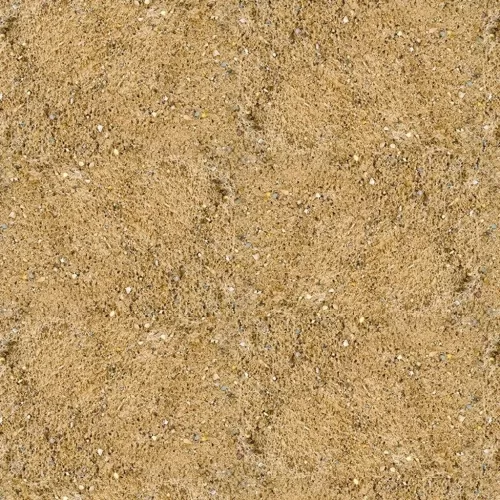
Pasir Halus, or fine sand, is a granular construction material containing relatively smaller particles compared with coarse sand.
It is commonly associated with plastering, selected mortar mixtures and finishing applications where a finer texture is required.
When used in a suitable cement-based mixture, fine sand contributes to the texture, workability and consistency of the material.
For example, plastering work often requires a sand grading that helps workers spread and finish the plaster to the required surface quality.
But finer does not always mean better.
Sand that contains excessive very fine particles, clay or other contaminants can affect water demand, shrinkage and the performance of the finished mixture.
That is why the correct sand should be selected according to the project specification rather than simply choosing the finest-looking material.
📋 Pasir Halus (Fine Sand) Product Specifications
| Product Details | Description |
|---|---|
| Product Name | Pasir Halus |
| English Name | Fine Sand |
| Product Category | Construction Sand / Fine Aggregate |
| Material Type | Fine granular mineral aggregate |
| Particle Texture | Generally finer than coarse sand |
| Colour | Varies depending on the sand source |
| Particle Size | Subject to supplier grading and specification |
| Common Applications | Selected plastering, mortar and finishing works |
| Material Source | Subject to supplier confirmation |
| Supply Method | Bulk or other available arrangements, subject to confirmation |
| Selling Unit | Confirm by tonne, cubic metre or load |
| Delivery | Subject to location, quantity and transport arrangements |
| Price | Contact us for the latest quotation |
Important: The information above describes fine sand generally. Exact particle grading, cleanliness, moisture content, material source, stock availability and delivery arrangements must be confirmed before ordering.
✅ Key Features & Benefits of Fine Sand
1. Finer Particle Texture
Fine sand contains relatively smaller particles, making it useful for selected construction applications where a finer aggregate grading is required.
Its texture can help produce a more even finish when used in a properly designed plaster or mortar mixture.
2. Commonly Used for Plastering Work
Pasir Halus is often considered for cement plastering and wall finishing.
When the sand meets the required specification, its grading can help achieve the desired plaster texture and application consistency.
However, sand that is excessively fine or contaminated may cause problems such as higher water demand and shrinkage.
3. Suitable for Selected Mortar Applications
Fine sand may be used in mortar for certain bricklaying, blockwork and finishing applications.
The appropriate grading depends on the type of mortar, joint thickness and project requirements.
4. Useful for Renovation Projects
Fine sand is frequently requested for residential renovation work, especially where contractors are carrying out wall plastering, patching or selected cement-based finishing tasks.
Before ordering, confirm whether the work requires fine sand, plastering sand, coarse sand or a proprietary premixed material.
5. Available for Construction Material Enquiries
Customers can enquire about fine sand for small renovation jobs or larger construction projects.
Supply quantity, selling unit, minimum order and transport arrangements should be confirmed before purchase.
🧱 Common Applications of Pasir Halus (Fine Sand)
1. Wall Plastering
One of the common uses of fine sand is wall plastering.
In suitable cement plaster mixtures, the sand helps create the required consistency and surface texture.
For internal and external walls, the correct grading and plaster mix should follow the project specification.
2. Bricklaying & Blockwork Mortar
Fine sand may be used in selected mortar mixtures for laying bricks and blocks.
The mortar’s performance depends on the sand grading, cementitious materials, water content and mixing method.
Not all fine sand is suitable for every type of masonry mortar, so confirm the requirements before use.
3. Wall Repair & Renovation
During house renovation, fine sand may be needed for certain cement-based patching and repair works.
For small cracks, skim coating or specialist repairs, a formulated repair product may be more appropriate than site-mixed sand and cement.
4. Cement-Based Finishing Work
Fine sand can be used in selected finishing applications where a finer surface texture is required.
However, it is not automatically a replacement for skim coat, tile adhesive or other proprietary finishing materials.
5. General Construction Work
Pasir Halus may also be used in other construction applications where the required fine-aggregate grading permits it.
Always confirm the intended use with the contractor or project specification.
⚖️ Pasir Halus vs Pasir Kasar vs Quarry Dust – What’s the Difference?
Customers often ask whether fine sand, coarse sand and quarry dust can be used for the same construction work.
Although they may look similar, their particle characteristics and typical uses can differ.
| Material | Main Characteristics | Typical Applications |
|---|---|---|
| Pasir Halus (Fine Sand) | Relatively fine sand particles | Selected plastering, mortar and finishing works |
| Pasir Kasar (Coarse Sand) | Relatively coarser sand particles | Concrete and selected cement-based construction mixtures |
| Quarry Dust (Debu Kuari) | Fine crushed-rock particles from quarry processing | Selected filling, bedding and construction mixtures |
| Manufactured Sand (M-Sand) | Processed crushed-rock sand with controlled grading | Concrete or mortar where the specification permits |
| Crusher Run | Mixture of coarse and fine crushed aggregates | Road base, driveway base and compacted sub-base works |
Which sand should you choose?
For wall plastering, a suitable plastering sand with the required grading is generally preferred.
For concrete mixing, the project may specify a different fine aggregate grading, commonly associated with coarse or concrete sand.
For driveway base preparation, crusher run is usually considered rather than fine sand.
The correct choice depends on the work being carried out and the material specification.
📐 How Much Fine Sand Do You Need?
The amount of Pasir Halus required depends on the type of work, surface area and mix design.
For plastering, start by calculating the approximate finished plaster volume.
Wall area (m²) × Plaster thickness (m) = Finished plaster volume (m³)
For example, if you are plastering a wall measuring:
- Wall area: 50 m²
- Finished plaster thickness: 15 mm (0.015 m)
The approximate finished plaster volume is:
50 × 0.015 = 0.75 m³
This is the finished plaster volume, not the volume of loose sand required.
The actual sand quantity depends on the mortar mix design, cement content, material yield, wastage and site conditions.
For accurate ordering, ask your contractor to calculate the materials according to the required plaster specification.
Tonnes vs Cubic Metres
Fine sand may be sold by tonne, cubic metre or another supplier-defined unit.
The weight of one cubic metre varies depending on the sand’s bulk density, moisture content and compaction condition.
Always confirm the supplier’s selling unit and conversion before ordering.
🛒 What Should You Check Before Buying Pasir Halus?
1. Confirm the Intended Application
Are you buying fine sand for plastering, bricklaying, renovation or another purpose?
Different jobs may require different sand grading and material quality.
2. Check the Particle Grading
The name fine sand does not guarantee that the material meets a particular plastering or mortar specification.
Ask the supplier for grading information if your project requires it.
3. Check Sand Cleanliness
Sand used in cement-based applications should meet the applicable requirements for harmful contaminants.
Excessive clay, silt, organic matter or salts can affect the performance of mortar and plaster.
4. Estimate Your Quantity
Provide the wall area, intended plaster thickness or the required quantity from your contractor’s material calculation.
This helps avoid ordering too little or too much material.
5. Confirm Delivery Requirements
For bulk orders, provide the site location, unloading area and any access restrictions.
Delivery availability and vehicle arrangements should be confirmed before purchase.
❓ Frequently Asked Questions – Pasir Halus (Fine Sand) Malaysia
1. What is Pasir Halus used for in construction?
Pasir Halus is commonly used in selected plastering, mortar and cement-based finishing applications. The exact use depends on the sand’s grading, cleanliness and the project specification.
2. What is Pasir Halus in English?
Pasir Halus is commonly translated as Fine Sand. In Malaysia, the term generally refers to sand with smaller particles compared with Pasir Kasar, or coarse sand.
3. Is fine sand suitable for wall plastering?
Yes, properly graded fine sand can be suitable for wall plastering. However, the sand must meet the plaster specification, and excessive very fine particles or contaminants should be avoided.
4. What is the difference between Pasir Halus and Pasir Kasar?
Pasir Halus generally contains finer particles, while Pasir Kasar contains relatively coarser particles. Fine sand is commonly associated with plastering and finishing, while coarse sand is commonly associated with concrete mixing. Actual suitability depends on grading.
5. Can I use fine sand for bricklaying mortar?
Fine sand may be used for certain bricklaying mortars if it meets the required grading. The correct sand depends on the mortar specification, masonry type and joint thickness.
6. What is the price of Pasir Halus in Malaysia?
The price depends on the sand source, material specification, quantity, selling unit and delivery location. Contact the supplier with your requirements for an updated quotation.
7. How much does one tonne of fine sand cost in Kuala Lumpur?
There is no single fixed price across all suppliers. Transport costs, quantity and material quality can affect the final quotation. Contact Buildmate to enquire about current pricing and availability.
8. How many tonnes of fine sand are in one cubic metre?
The weight varies according to the sand’s bulk density, moisture content and whether it is loose or compacted. Confirm the appropriate conversion with the supplier before ordering.
9. Can fine sand be used for concrete mixing?
Fine sand may form part of a concrete mix if its grading and other properties meet the required specification. However, excessively fine sand can affect water demand and workability. Follow the approved concrete mix design.
10. Is fine sand the same as plastering sand?
Not always. Plastering sand is generally selected or processed to meet the requirements of plastering work. A product described only as fine sand may not necessarily meet the same grading or cleanliness requirements.
11. Can I use Pasir Halus for house renovation?
Yes, fine sand may be used for suitable plastering, mortar and finishing applications during renovation. Confirm the correct material with your contractor before ordering.
12. Is fine sand suitable for skim coating?
Fine sand is not automatically a replacement for skim coat. Skim coats are formulated finishing products with specific ingredients and performance requirements. Use the material specified for the finishing system.
13. Can fine sand replace coarse sand?
Only if the replacement meets the required application and material specification. Different sand grading can change mixture workability, water demand and finished performance.
14. What sand is best for wall plastering in Malaysia?
The best choice is a suitable plastering sand that meets the project’s grading and cleanliness requirements. The correct material should be selected according to the plaster system and desired finish.
15. Can quarry dust replace fine sand for plastering?
Quarry dust is not a direct replacement for plastering sand in every application. Its particle shape, grading and fines content can affect workability and surface finish. Use it only when the plaster mix design permits it.
16. How much fine sand is needed for 100 square metres of plastering?
It depends on the plaster thickness and mix design. For example, 100 m² at a finished thickness of 15 mm gives a geometric plaster volume of 1.5 m³. The actual loose sand quantity must be calculated from the specified mix and material yield.
17. What happens if sand is too fine for plastering?
Excessively fine sand may increase water demand and affect shrinkage, cracking risk or workability. Proper grading and mix proportions are important for good plaster performance.
18. Does fine sand need to be washed before use?
Some sand is washed or processed to reduce unwanted fines and contaminants. Whether washing is necessary depends on the material source and required specification. Do not assume that every fine sand product is washed.
19. Can fine sand be used for cement rendering?
Fine sand may be suitable for certain cement-rendering mixtures when it meets the required grading and cleanliness specifications. Follow the rendering system’s recommended mix and application method.
20. Is fine sand suitable for floor screeding?
Some screed mixtures may use suitably graded fine aggregate, but very fine sand is not necessarily appropriate. Follow the specified screed mix or manufacturer’s instructions.
21. Where can I buy Pasir Halus in Kuala Lumpur?
You can enquire with building-material and construction-sand suppliers serving Kuala Lumpur. Buildmate Home Living Sdn Bhd can be contacted to check fine sand requirements, current availability, pricing and delivery arrangements.
22. Can fine sand be delivered to construction sites in KL and Selangor?
Delivery may be available depending on the quantity, supplier arrangements, transport access and project location. Provide your site address and required quantity so the available options can be checked.
23. What information should I provide when ordering Pasir Halus?
Provide the intended application, estimated quantity, project location, preferred delivery date and any grading or material specification. This helps the supplier check whether the requested material is suitable.
24. Can I order Pasir Halus in bulk for a construction project?
Bulk orders may be available depending on supplier arrangements. Confirm the minimum quantity, selling unit, sand specification, current price and delivery availability before placing an order.
📲 Looking for Pasir Halus (Fine Sand) Supplier in Kuala Lumpur?
Need Pasir Halus (Fine Sand) for wall plastering, bricklaying, renovation or construction work?
Whether you are a contractor working on a building project or a homeowner planning a renovation, send us your material requirements for a quotation enquiry.
Buildmate Home Living Sdn Bhd
🌐 Website: https://buildmatehardware.com.my
📲 WhatsApp us now: https://wa.me/60123538929
📞 Phone: 012-353 8929