
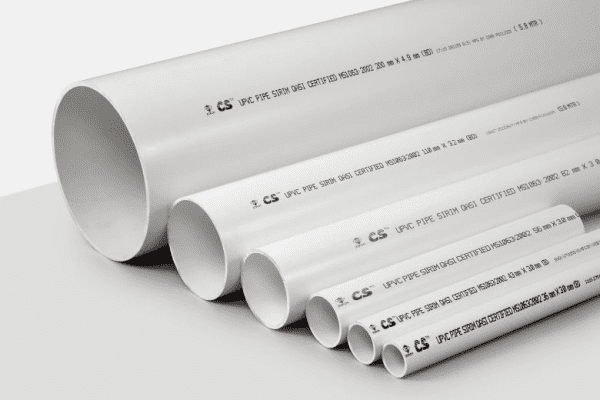

The Advantages of UPVC Rainwater Downpipe in Modern Plumbing and Drainage Systems
In the world of construction and infrastructure, choosing the right materials is crucial to ensuring long-lasting and efficient systems. UPVC Rainwater Downpipe have become one of the most sought-after solutions for plumbing and drainage, recognized for their impressive durability, ease of installation, and environmental benefits. Here’s why UPVC rainwater downpipes are the preferred choice for a wide range of applications.
1. Exceptional Durability and Long-Term Performance
One of the most significant advantages of UPVC Rainwater Downpipe is their ability to resist degradation over time. While traditional metal pipes are prone to rust, corrosion, and leaks, UPVC pipes offer excellent resistance to these issues. This makes them highly suitable for both indoor and outdoor use, as well as underground installations where exposure to moisture and soil could be a concern for other materials.
By maintaining their structural integrity over decades, UPVC pipes help reduce the need for frequent replacements and repairs. This longevity translates into significant cost savings, especially for large-scale commercial or industrial projects where durability is a priority.
2. Versatile Solutions for Various Applications
Whether you’re looking for a reliable drainage system, an efficient irrigation solution, or even potable water supply, UPVC Rainwater Downpipe provide versatility across multiple uses. Their adaptability stems from their capacity to handle different temperatures and pressures without warping or cracking, making them a go-to solution for a variety of climates and operational conditions.
UPVC’s non-reactive nature also makes it suitable for applications involving chemicals, meaning it can be used in industrial settings for wastewater management or chemical transport without concern for corrosion or material breakdown.
3. Eco-Friendly and Sustainable
Sustainability in construction is more important now than ever before, and UPVC Rainwater Downpipe play a vital role in supporting environmentally conscious building practices. Unlike traditional piping materials, UPVC requires significantly less energy to produce, resulting in a smaller carbon footprint.
Additionally, UPVC is 100% recyclable. This ensures that at the end of its usable life, UPVC pipes can be reprocessed and reused, contributing to the reduction of waste and promoting a more circular economy. By opting for UPVC pipes, developers not only benefit from a high-performance product but also align their projects with green building initiatives and sustainability certifications.
4. Simplified Installation and Lower Maintenance Costs
Another compelling reason to choose UPVC Rainwater Down Pipes is the ease of installation they offer. The lightweight nature of UPVC pipes means they can be quickly and easily transported, handled, and fitted, reducing both the time and labor costs associated with installation.
Their smooth inner surface minimizes friction, which encourages unobstructed water flow and prevents sediment from building up inside the pipe. This feature not only enhances overall system efficiency but also reduces the likelihood of blockages, which means less maintenance and fewer disruptions over time.
Furthermore, due to their corrosion-resistant properties, UPVC downpipes require far less ongoing maintenance compared to metal alternatives, adding to the long-term cost-effectiveness of the system.
5. Adherence to Industry Regulations and Standards
Quality and safety are paramount in plumbing and drainage systems, and UPVC Rainwater Downpipe meet stringent industry standards to ensure reliable and secure performance. These pipes undergo rigorous testing to verify their ability to withstand the pressures and demands of real-world conditions, providing peace of mind for engineers, contractors, and property owners.
With these certifications, UPVC downpipes have earned their place as a dependable option for a range of construction projects, offering not only durability but also compliance with regulatory frameworks governing water transport and drainage systems.
Conclusion
The advantages of UPVC Rainwater Downpipe are clear: they deliver a blend of durability, versatility, sustainability, and cost-efficiency that few materials can match. Whether used in residential, commercial, or industrial environments, these pipes ensure smooth and efficient fluid transport while minimizing maintenance and environmental impact.
For construction professionals looking to enhance the longevity and performance of their drainage and plumbing systems, UPVC Rainwater Downpipe stand out as an ideal solution. Discover the benefits of incorporating UPVC into your projects and take advantage of the superior performance they provide for fluid management systems.